
Teach me something 1
Aristotle: Happiness affected by excesses just like deficiencies

Teach me something 1 — Aristotle: Happiness affected by excesses just like deficiencies
Welcome to teach me something. In this series, I learn interesting new things every week and summarize it for you. I‘m an engineer, passionate about reading and teaching. Let’s dive in:
Aristotle: Happiness affected by excesses just like deficiencies
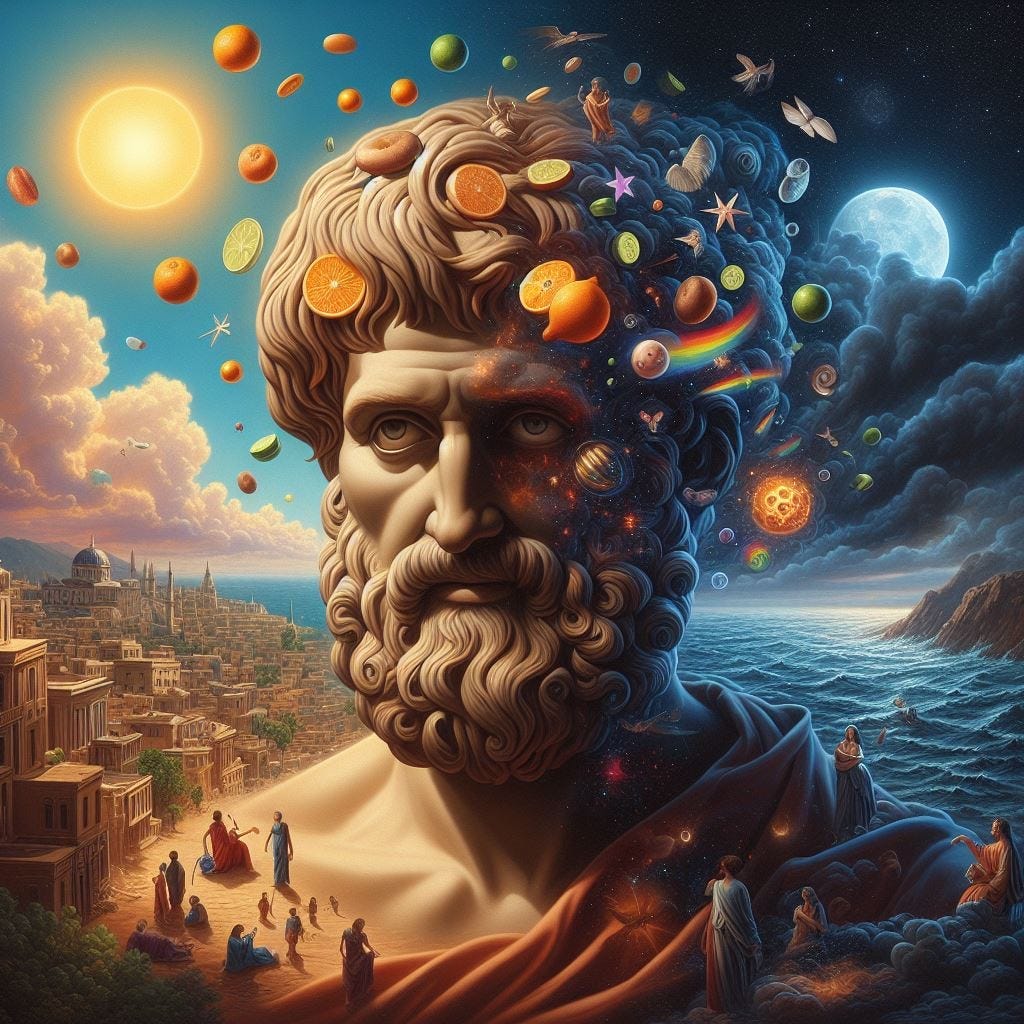
We all heard about minimalists by now and their view of happiness. Steve Jobs might be the richest of them. He was maybe way too much on this topic by just sleeping on the floor at one point. In the first content of “Teach me something”, I wanted to learn and write about Aristo’s view of happiness by moderation.
In the realm of philosophy, Aristotle stands as a towering figure, particularly in his exploration of human happiness. Central to his teachings is the notion that happiness is not a fleeting emotion but rather a state of being achieved through virtuous living.
Understanding Aristotle’s Concept of Happiness
For Aristotle, happiness (eudaimonia) is the ultimate goal of human existence, encompassing a life of fulfillment and flourishing. Unlike fleeting pleasures, true happiness is achieved through the cultivation of virtue and the realization of one’s potential. It is a state that includes physical, emotional, and intellectual well-being.
The Role of Virtue
At the heart of Aristotle’s philosophy is the idea of virtue, which he defines as the mean between excess and deficiency. Virtue lies in finding the right balance in our actions and emotions, steering clear of extremes on either end of the spectrum. For example, courage is the mean between cowardice and recklessness, while generosity is the mean between stinginess and extravagance.
The Dangers of Excess
Aristotle warns that excess in any aspect of life can lead to unhappiness and moral decay. Indulging in excessive pleasures, such as gluttony or hedonism, may provide temporary satisfaction but ultimately undermines our well-being. Likewise, pursuing wealth or power without restraint can lead to corruption and moral bankruptcy.
The Perils of Deficiency
On the other hand, deficiency can be equally detrimental to our happiness. Lack of courage can result in cowardice, inhibiting our ability to pursue our goals and face life’s challenges. Similarly, a deficiency of generosity can lead to selfishness and isolation, hindering our ability to form meaningful connections with others.
Cultivating Moderation
The key to achieving happiness, according to Aristotle, lies in cultivating moderation in all aspects of life. By finding the mean between excess and deficiency, we can lead lives of balance and harmony. This requires self-awareness, self-discipline, and a commitment to virtuous living.
Practical Applications
Applying Aristotle’s teachings to our daily lives can lead to profound changes in our well-being. Instead of seeking instant gratification, we can cultivate habits of moderation and self-control. We can strive to develop virtues such as courage, generosity, and temperance, knowing that they are the building blocks of a fulfilling life.
Conclusion
In a world often characterized by excess and extremes, Aristotle’s wisdom on happiness and moderation remains as relevant today as it was in ancient Greece. By embracing the virtue of moderation and finding balance in our actions and emotions, we can journey towards a life of true fulfillment and flourishing. As Aristotle himself aptly puts it,
“Happiness depends upon ourselves.”
I hope you enjoyed my first content of “Teach me something”. I like learning new things and sharing them and I’d like to continue this newsletter. You can subscribe to this newsletter to get notified. Feel free to share your thoughts about Aristo’s view of happiness and moderation. See you next week,